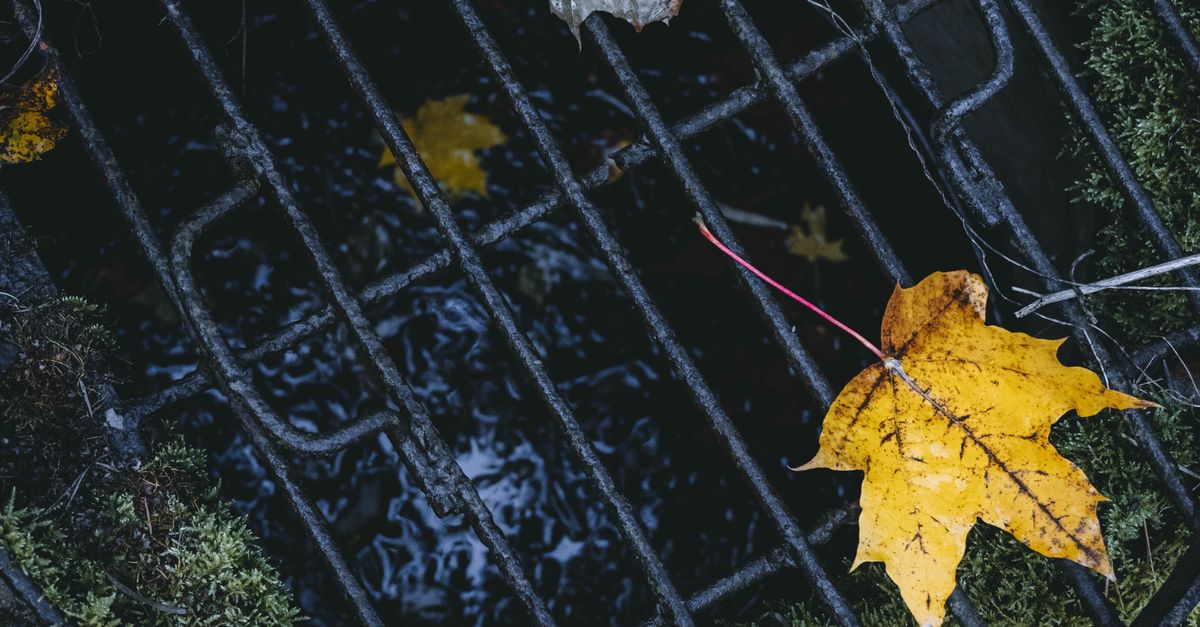
Air conditioning drain line clogs are a well-known nuisance for Tucson residents during monsoon season. As experienced HVAC professionals at Airzona Heating and Cooling, we see a dramatic increase in AC water backup calls every monsoon. Understanding why this issue is so common—and how to prevent it—can help you avoid costly water damage, system failures, and comfort interruptions during Tucson’s most humid and storm-prone months.
Why AC Drain Lines Clog More Often During Tucson Monsoon Season
Your AC drain line (also called a condensate line) is responsible for removing moisture that your cooling system pulls from Tucson’s air. During monsoon season, that drain must handle more water, more debris, and more stress than at any other time of year. The combination of increased humidity, dust storms, and longer cooling cycles is precisely what causes more frequent clogs in July, August, and September.
Definition: What Is an AC Drain Line?
An AC drain line is a small PVC or plastic pipe that channels condensed water (created when your system pulls humidity from warm indoor air) away from your cooling equipment and safely outside your home. When the drain line is clear and working, water flows out without issue. If the line is even partially obstructed, water backs up, leading to drainage pan overflow, leaks, ceiling or wall damage, and sometimes even system shutdowns.
Step-by-Step: Why Monsoon Conditions Overwhelm Drain Lines
- Rising humidity leads to more condensation. The AC pulls much higher volumes of moisture out of the air, increasing water flow through the drain line. If the line was restricted or partially clogged beforehand, it’s far more likely to back up now.
- Dust storms and wind deposit debris. Monsoon-weather dust storms blow soil, sand, pollen, and organic materials into outdoor components and air return vents. All this debris can settle inside the AC and eventually mix with condensation in the drain line, helping form tough blockages.
- Warm, damp conditions promote biological growth. Algae, mold, and bacteria thrive in moist environments. Standing water (from a slow or blocked drain) lets these grow even faster, compounding the clog—especially during our hot Tucson summers.
- Increased system runtime means more stress on drainage. Monsoon heat and humidity force your AC to cycle longer and more often, accelerating the buildup of sludge and meaning any weak, partially blocked, or dirty line will quickly fail.

Common AC Drain Line Clog Symptoms During Monsoon
- Visible water pooling around your air handler or indoor unit
- Musty or moldy odors near vents, closets, or ceilings
- Dripping around ceiling or attic air handling equipment
- AC system shutting off or safety switch triggered
- Condensate pan overflowing with water
What Makes Tucson’s Monsoon Season High-Risk?
Tucson’s desert climate transforms in monsoon months, with spikes in both humidity and airborne dust. This unique combination puts exceptional stress on HVAC systems:
- Humidity often doubles or triples, increasing the volume of condensate running through drain lines each day.
- Frequent dust storms clog outdoor coils, filters, and drainage paths—particles that later become sludge in wet pipes.
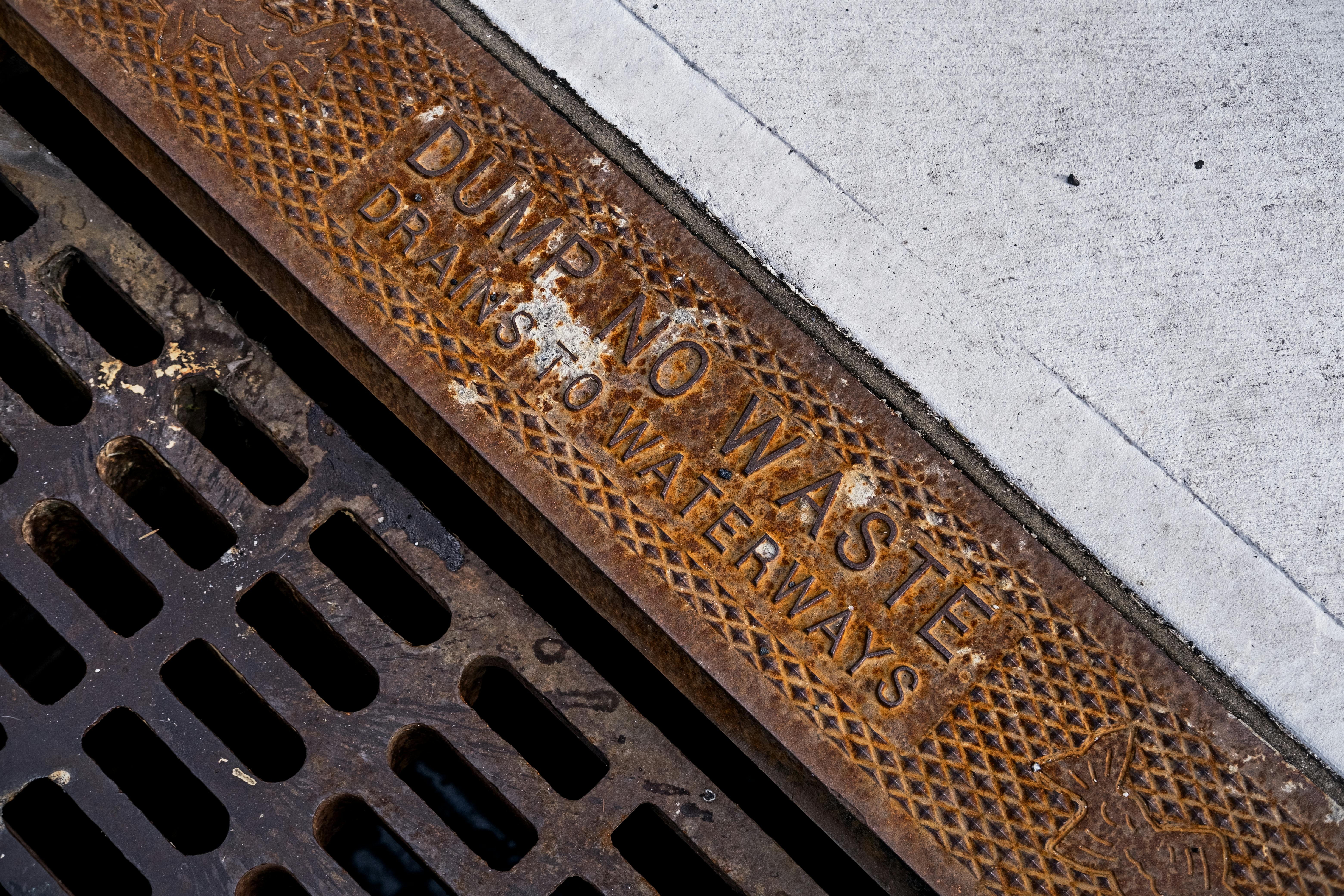
- Sudden downpours can drive surface water and more debris near your outdoor AC platform or even backflow into low-set lines.
Past experience at Airzona Heating and Cooling shows that calls for AC water leaks and drain backups peak immediately after the first few big monsoon storms each year.
Best Practices: Preventing AC Drain Clogs in the Monsoon
- Schedule professional AC maintenance before monsoon season. This should include a drain line flush, coil and pan inspection, and filter replacement as needed. Our team at Airzona Heating and Cooling specializes in pre-monsoon system prep.
- Change air filters regularly. A dirty filter leads to more dust and debris circulating indoors and ending up in your drain line.
- Keep the area around your outdoor AC clear. Remove leaves, dirt, and landscaping debris, and trim plants at least 2–3 feet from the unit. Learn more in our guide on what to check after a dust storm hits your air conditioner.
- Monitor drainage during the season. After storms, check for strong, steady dripping from the AC drain pipe outlet. If you see slow or no flow, schedule service immediately.
- Flush the drain line regularly if comfortable doing so. For handy homeowners, using a wet/dry vac at the exterior drain outlet can clear minor debris, but do not attempt disassembly or reach into the drain pan unless you are qualified.
When to Call a Professional HVAC Company
If you have repeated clogs, slow drainage, or water leaks after storms, it is time to call in an expert. These symptoms may mean there is significant algae, hardened debris, or even a damaged drain line or pan. The trained, NATE-certified team at Airzona Heating and Cooling provides fast diagnostics and repair throughout Tucson and nearby regions. Our non-commissioned technicians focus on solving problems for good—never unnecessary upsells.
If your system is shutting down, leaking into ceilings or walls, or giving off persistent musty odors, we strongly recommend turning off your AC and contacting us right away to prevent further damage.
DIY Safety and Quick Checks
- Look for normal steady dripping from the outdoor drain when the AC is running. If it stops completely but the AC is on, the line may be blocked.
- If you have attic or closet access, check for standing water in or under the air handler drip pan. Any standing water means a problem.
- If safe and you know how, a wet/dry vacuum at the outdoor drain can clear light clogs. If clogs keep returning, the problem is likely deeper and needs professional help.
Why Timely Drain Line Maintenance Matters in the Monsoon
Letting an AC drain line go unchecked can lead to substantial water damage, mold growth, and damage to both your HVAC system and home interior. Quick attention avoids expensive ceiling, wall, and flooring repairs—plus disruption to your comfort during the most uncomfortable weather Tucson experiences.
Where to Learn More
- Read about related AC maintenance topics in our past posts, like how Tucson monsoon storms can damage your outdoor AC unit and who can provide fast AC repair in Tucson when my system starts leaking water.
FAQ: Monsoon AC Drain Line Clogs in Tucson
Why does humidity affect my AC drain line?
Higher humidity increases the amount of water your AC needs to remove from the air. This puts greater strain on the drain system—if it’s even partially blocked, the extra water overwhelms the line and causes overflow.
Is it normal for my AC drain to drip all the time during monsoon?
Yes, increased drainage is expected during monsoon months. If water is flowing steadily, your line is likely clear. If you see puddles inside or slow dripping stops abruptly, call for service.
How can I tell if my AC drain line is clogged or partially blocked?
Warning signs include pooling water near the unit, musty odors, frequent AC shutoffs, or water stains in ceilings/walls. Visual inspection and checking the outdoor drain outlet can help, but persistent issues need a professional HVAC evaluation.
Can I flush my AC drain line myself?
Some homeowners use a wet/dry vacuum at the drain line outlet to clear minor clogs. If you are unsure or clogs keep recurring, contact a licensed technician like those at Airzona Heating and Cooling for a more thorough cleaning.
What is the fastest way to prevent drain backups before monsoon starts?
Schedule a professional AC tune-up and drain flush at the beginning of the season and keep up with regular filter changes. This proactive step is proven to reduce costly flooding and water damage risks.
Should I worry about mold or mildew from repeated drain clogs?
Yes, any standing water in AC equipment or home building materials can support mold growth. Addressing drain blockages promptly is essential for both system health and indoor air quality.
Conclusion: Trust Tucson’s Local AC Drain Experts
Monsoon season brings unique challenges to Tucson AC systems, with an increased risk of condensate drain line clogs from humidity, dust, and organic growth. Preventive maintenance and fast action are crucial to avoid water leaks, property damage, and HVAC shutdowns right when you need comfort most. As Tucson’s dedicated HVAC pros, Airzona Heating and Cooling stands behind every repair and seasonal service we complete. For urgent clogs, water leaks, or monsoon AC maintenance, reach out directly for expert help you can trust.
Ready to safeguard your home this monsoon? Contact Airzona Heating and Cooling for local, reliable, and experienced AC care in Tucson and the surrounding areas.