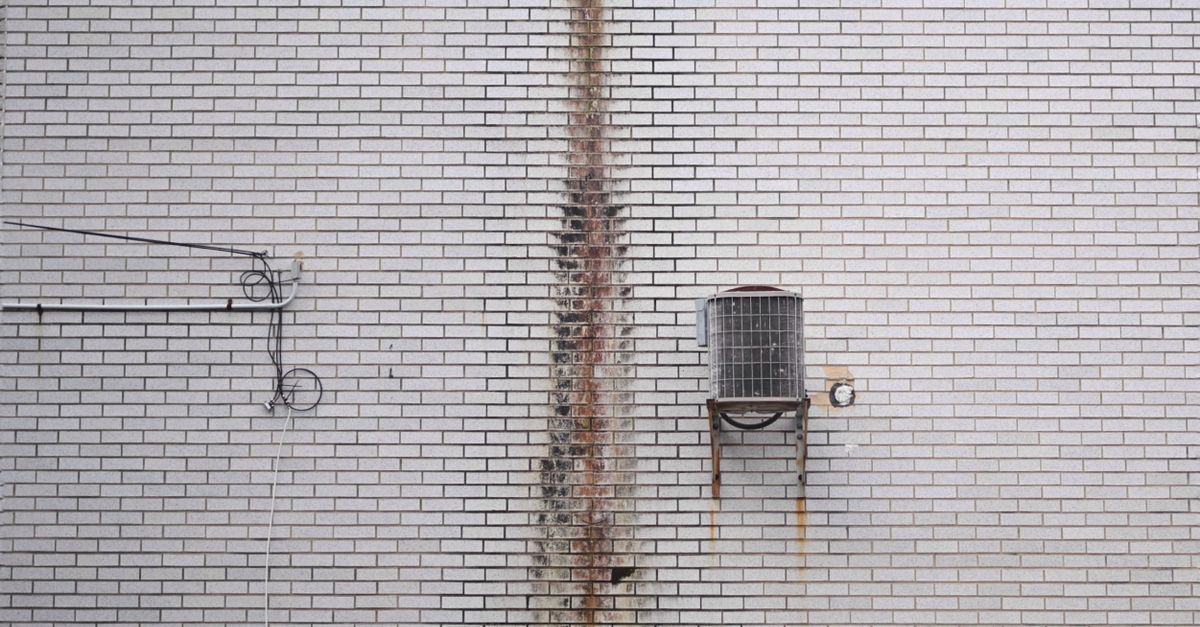
Intense Tucson monsoon storms put outdoor AC units at serious risk, often resulting in damage that can dramatically reduce cooling performance, cause expensive repairs, or shorten system lifespan. While AC systems are built to handle normal Arizona weather, the unique combination of high winds, torrential rain, airborne debris, and sudden power surges during a monsoon can easily overwhelm even well-maintained equipment. As the leading local HVAC experts, Airzona Heating and Cooling has seen firsthand how unaddressed storm damage quickly leads to comfort loss and steep utility bills.
If your outdoor AC unit is exposed to Tucson’s monsoon conditions, it faces specific threats: forceful impacts from flying debris, dust storms that clog condensers, power surges from lightning or outages, and flooding from flash rainfall. Each of these hazards can quietly cause partial or hidden system failure, so a prompt post-storm inspection and careful seasonal preparation are essential for reliable cooling and optimal efficiency.
Definition: Monsoon Storm Damage and Outdoor AC Units
Monsoon storm damage refers to any harm sustained by an outdoor air conditioning unit as a direct or indirect result of seasonal weather common in Tucson between June and September. Principal causes include wind-driven debris, accumulation of dust and dirt, electrical hazards from lightning, and flooding or moisture intrusion into sensitive system parts. Any of these can impair function, void manufacturer warranties, and increase the likelihood of sudden breakdowns during peak summer usage. Airzona Heating and Cooling specializes in diagnosing and resolving these forms of monsoon-related AC damage.

How Monsoon Storms Damage Outdoor AC Units
1. Flying Debris: Physical Impact on the Condenser
During monsoon storms, strong gusts can launch branches, patio furniture, rocks, and other loose items against your outdoor AC unit. Even small impacts bend condenser fins, break fan blades, or puncture refrigerant lines. Internal electrical connections or circuit boards may be jarred loose, creating hidden defects that show up later. Airzona Heating and Cooling recommends always clearing the area around your unit before storms hit to minimize debris risk.
2. Dust, Dirt, and Blocked Airflow
Tucson’s monsoon season is notorious for dust storms. When dust and dirt settle on the AC condenser coil, they restrict airflow and reduce heat exchange efficiency. A clogged unit must run far longer to achieve the same cooling effect, which strains the compressor and motor and spikes your energy bills. Prolonged dirt buildup also causes premature wear, often requiring more frequent coil cleaning or replacement of key AC parts. After a storm, Airzona Heating and Cooling advises inspecting and gently rinsing the unit (being careful not to flatten the delicate metal fins).
3. Power Surges and Electrical Damage
Lightning strikes and abrupt power restorations after an outage create voltage spikes that can fry sensitive AC components, including compressors, thermostats, capacitors, and control boards. Such electrical damage is not always visible and may result in performance problems days or weeks after the storm. This is one reason Airzona Heating and Cooling emphasizes surge protection and recommends a professional checkup after severe weather events.
4. Flooding and Standing Water
Flash floods can submerge the base of the outdoor unit, shorting out electrical components and accelerating internal corrosion. Water intrusion may also encourage mold growth and damage insulation inside the AC system. If you notice pooled water or a flooded disconnect box after a monsoon, never attempt to restart the unit. Call Airzona Heating and Cooling for a safety inspection before operating your system again.
5. Hidden Damage: Issues That Worsen Over Time
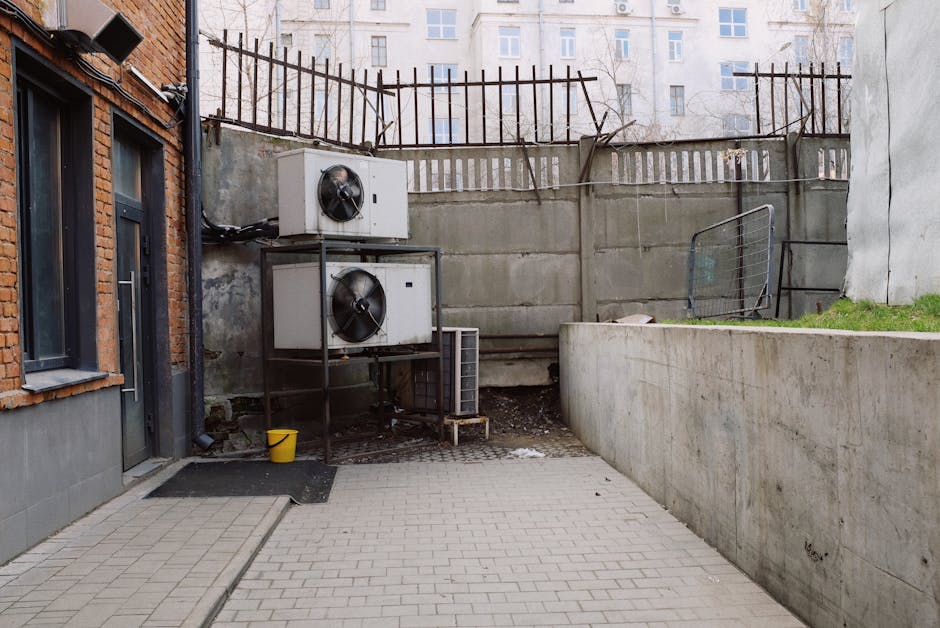
Not all storm-related AC problems are immediately obvious. Internal parts (such as fan motors, capacitors, and wiring) sometimes weaken or partially fail, only to break down completely during the next spell of hot weather. This is why a prompt, expert evaluation from a qualified company like Airzona Heating and Cooling can prevent the inconvenience and cost of mid-summer emergency repairs.
Warning Signs: Symptoms of Storm-Damaged Outdoor AC Units
- Debris lodged inside or around the condenser
- Bent metal fins, broken plastic, or damaged panels
- Unusual noises: buzzing, rattling, or grinding from the outdoor unit
- Reduced cooling performance or warm air blowing from vents
- The AC short cycling (it turns on and off rapidly)
- Breaker tripping, thermostat errors, or abnormal cooling cycles
- Poor indoor airflow compared to usual operation
- Visible floodwater or lingering outdoor moisture near the unit
Any of these symptoms warrant prompt professional attention. Immediate response may prevent larger, costlier repairs down the road.
Step-by-Step: What to Do After a Tucson Monsoon Storm
- Turn off the AC at the thermostat and breaker if you notice flooding, sparks, or exposed wiring.
- Survey the yard around your outdoor unit for signs of flying debris.
- Check for standing water. Do not power up the unit if water has entered the electrical compartment.
- From a safe distance, look for bent fins, missing panels, or other physical changes.
- Try switching your thermostat settings—if the breaker trip repeats, do not reset it more than once.
- Contact Airzona Heating and Cooling for an emergency inspection if the system behaves abnormally or won’t start, or if you detect burning smells or unusual noises.
How to Protect Your Outdoor AC Unit Before and During Monsoon Season
- Maintain a 2-foot debris buffer: Clear at least 2 feet of space around your AC unit to reduce entrapment of wind-blown debris. Avoid planting bushes or placing objects close to the condenser.
- Secure yard items: Tie down or bring in patio furniture, outdoor toys, and planters before storms. This reduces the chance of impacts on exposed equipment.
- Trim vegetation: Ensure no overhanging branches can hit the condenser during heavy winds.
- Schedule regular professional HVAC maintenance: Clean coils and inspect all electrical connections before monsoon season starts. Preventive service from experts like Airzona Heating and Cooling identifies early wear and helps sustain peak system performance.
- Evaluate surge protection: Ask about surge suppression solutions for your AC system to mitigate power spike damage.
- Post-storm inspection: After every major event, quickly remove surface dirt with a gentle hose spray (no high-pressure washers), visually inspect for new damage, and consider a professional post-monsoon checkup.
Why Fast Action and Expert Help Matter
Tucson monsoons can quickly transform a working AC unit into an underperforming or completely failed system. Piled-up dust, bent fins, hidden power surges, and intrusion of water can each lead to component damage, inefficient operation, and system shutdown. Delaying repairs can move a minor issue to a major equipment outage. The experience of Airzona Heating and Cooling shows that early detection, fast cleanup, and targeted repairs are the best way to keep your cooling system running dependably all summer.
To learn more about urgent AC repairs after water damage, see our blog: Who can provide fast AC repair in Tucson when my system starts leaking water?
Best Practices for Tucson Homeowners
- Always inspect your outdoor AC after every major storm.
- Never run a flooded or physically damaged system. Wait for a professional assessment.
- Replace air filters as recommended—dirty filters can worsen stress during heavy summer use.
- Clean the area around the condenser and keep it free from clutter, mulch, and overgrowth.
- Have a trusted HVAC partner like Airzona Heating and Cooling perform regular pre-monsoon checkups. Routine maintenance is proven to prolong system life and save on emergency fees.
Frequently Asked Questions
How can I tell if my AC has monsoon damage?
Common indicators include poor airflow, hot air from vents, electrical issues, and obvious physical harm to the outdoor condenser. If in doubt, call Airzona Heating and Cooling for a thorough inspection.
Is it safe to rinse my AC unit after a dust storm?
Yes, gentle rinsing with a garden hose is encouraged. Avoid high-pressure spraying and complete your cleaning before restarting the system to prevent drawing moisture inside.
Can I prevent power surge damage?
Surge protection devices are highly recommended for Tucson homes, especially during monsoon season. Ask your technician during preventive maintenance visits for the right options.
What if my AC keeps shutting off after a storm?
This often points to electrical or internal damage. Stop using the unit and contact a qualified service provider. Attempting to reset the breaker repeatedly may cause worse damage.
Why is routine AC maintenance important before monsoon season?
Scheduled professional maintenance by teams like Airzona Heating and Cooling ensures coils are clean, electrical parts are inspected, and any developing issues fixed—reducing risk of failure during storms.
Conclusion
Tucson’s fierce monsoon storms create unique challenges for outdoor AC units. Proactive seasonal maintenance, quick post-storm inspections, and expert help from trusted providers like Airzona Heating and Cooling can save you from prolonged discomfort and big repair bills. If you notice any sign of damage or want peace of mind as monsoon season approaches, book your service call today. Reliable, locally-based support is just a click away: https://zonahcp.com.