
After a dust storm in southern Arizona, your air conditioner faces an immediate risk of diminished performance and potentially costly damage. Homeowners should act quickly to prevent loss of cooling by inspecting essential components for dust intrusion and blockage. At Airzona Heating and Cooling, we routinely guide Tucson-area residents through this process, ensuring cooling systems remain efficient and protected against the harsh local environment. Here, we provide a clear, authoritative framework for what to check after a dust event—plus how our expert team can help when a professional touch is needed.
Definition: Dust Storm Impact on Air Conditioning
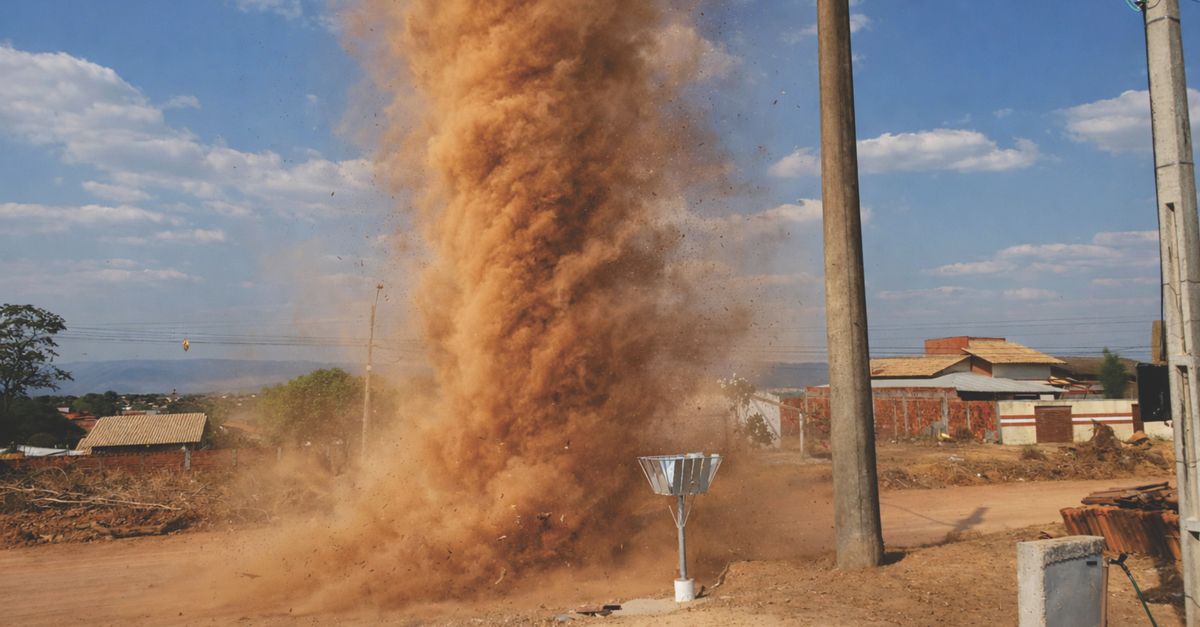
In the Tucson region, dust storms (often called haboobs) send fine particles deep into outdoor AC units and through gaps in doors and windows. This debris can quickly clog air filters, coat condenser coils, and restrict airflow within ductwork, causing reduced cooling efficiency, increased wear, and even mechanical failures if ignored. Timely post-storm inspection and basic cleaning can avert both discomfort and long-term repair costs.
Step-By-Step: What to Check After a Dust Storm Hits Your AC
1. Inspect and Replace the Air Filter
The air filter stands as your AC’s first line of defense. It traps dust before particles can enter your blower, ductwork, and evaporator coil. Post-storm, inspect the filter as soon as it is safe:
- Remove the filter and hold it up to a bright light. If you cannot see light passing through, or the filter appears bowed, collapsed, or packed with debris, replace it immediately.
- Use only the correct size for your system. Never stack filters or substitute incompatible types.
- A fresh filter restores airflow quickly and can save up to 15 percent in energy costs, according to U.S. Department of Energy guidelines. See our in-depth look at Tucson monsoon damage for more insights.
2. Examine Return Grilles and Supply Vents
Dust can accumulate on both air returns and supply ducts, especially if the home was not fully sealed during the storm. Check every major grille:
- Wipe vent surfaces clean with a damp cloth.
- Remove any rugs, curtains, or stored items blocking the vents. Even a partial blockage can reduce your system’s cooling efficiency.
- If weak airflow persists after changing the filter and clearing vents, there may be additional blockages in the ductwork or blower assembly, a prime reason to schedule professional service with Airzona Heating and Cooling.
3. Check the Outdoor Compressor and Condenser Unit
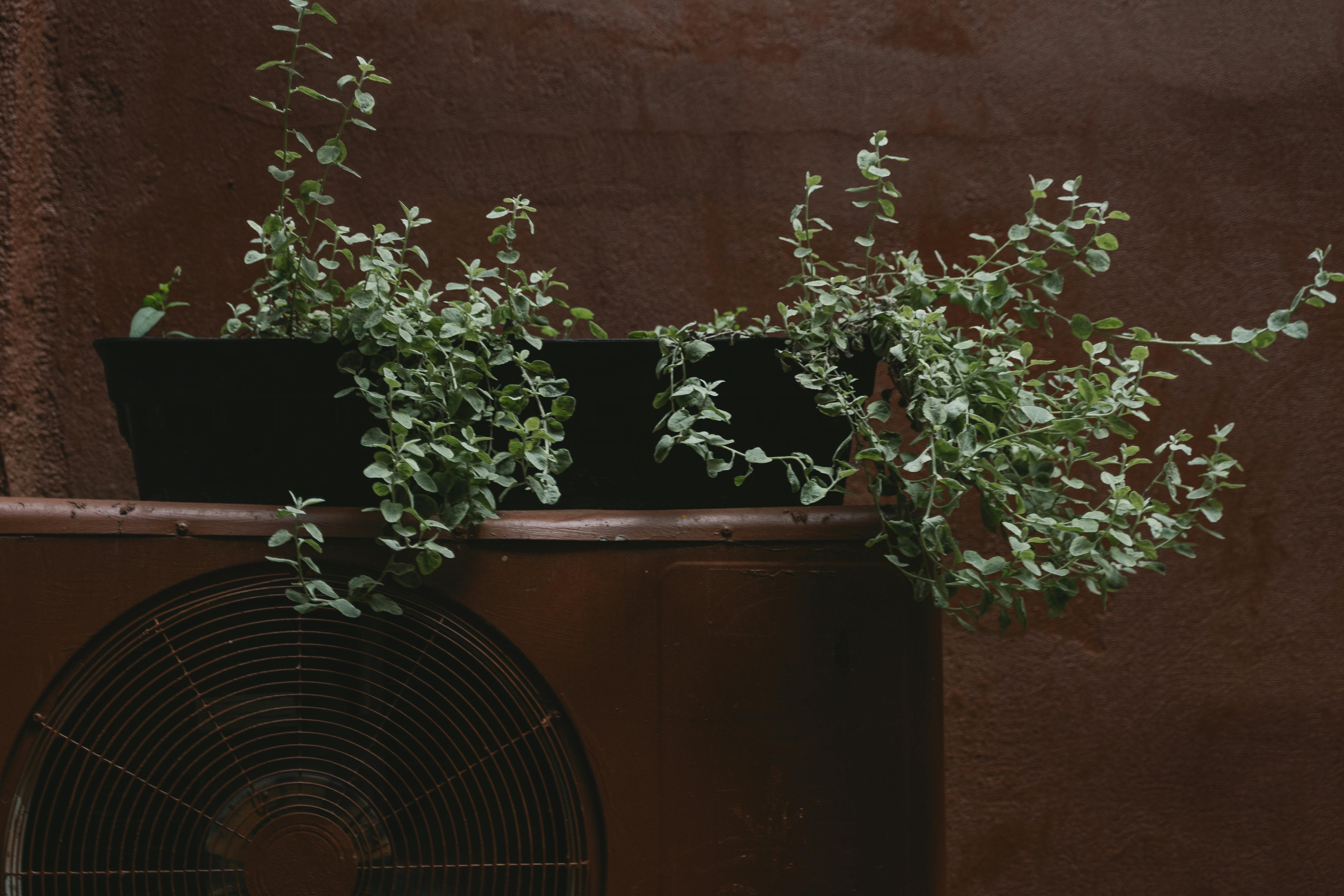
The outdoor unit, typically located on a pad beside your house, is highly exposed during a dust storm. Assess it visually for:
- Heavy dust deposits, mud splatter, or plant debris wrapped around the base or along the coil fins.
- Any objects (branches, trash, construction materials) blown up against the cabinet or grilles.
- A clear zone of two feet or more is recommended around every side of the condenser for optimal airflow—a standard we reinforce in all Airzona Heating and Cooling maintenance plans.
4. Gently Rinse the Condenser Coil (if appropriate)
If you see thick dust or a film across the fins and it is safe to do so, turn the unit off and use a garden hose on low pressure to rinse the coil. Avoid high-powered jets or pressure washers, which can bend delicate metal fins and cause lasting damage. Spray from top to bottom only, never into electrical panels or beneath the cabinet cover. If muddy sludge or compacted debris remains—or if fins are visibly bent—call Airzona Heating and Cooling for careful, professional cleaning.
5. Listen When You Restart the System
After cleaning, turn the thermostat to a moderate temperature and restart the system. Listen for:
- Buzzing, grinding, squealing, or other unusual noises
- Short on/off cycles
- A fan struggling to spin up, or persistent warm airflow
- If you notice these symptoms—or the AC struggles in any way—shut it down and schedule professional inspection to limit further damage.
6. Inspect the Condensate Drain and Indoor Humidity
Dust can infiltrate condensate lines, especially in attic or closet air handlers. Check near the indoor unit for:
- Standing water from a blocked drain line
- Signs of mold or unusual dampness on or around the air handler
- Slow or gurgling drainage—common issues we encounter on emergency calls at Airzona Heating and Cooling
7. Re-Evaluate After a Night’s Operation
Dust disperses unevenly and can settle further after a storm, especially as the system cycles on and off. Re-examine the filter, return grilles, and coil the day after the storm for any new accumulations.
When to Call an HVAC Professional
It is time to seek help from Airzona Heating and Cooling when basic cleaning does not restore cooling—or if any of the following occur:
- Airflow remains weak after replacing the filter
- The system runs continually, but cannot cool the house
- There are new noises or electrical smells
- You see heavy dust or debris inside the coil or on fan blades
- Moisture problems continue even after clearing the condensate drain
Our team responds quickly, offering 24/7 emergency repair, thorough diagnostics, and cost-effective solutions. For advanced troubleshooting and peace of mind, we recommend a complete post-storm system tune-up.
Simple Post-Storm AC Checklist
- Wait for dust to settle before inspecting.
- Replace the indoor air filter at the first sign of clogging.
- Check and clean all return grilles and supply vents.
- Inspect the outdoor condenser for debris buildup and clear a minimum two-foot area around it.
- Rinse the coil gently, only when the power is off and it is safe.
- Restart the AC at a moderate thermostat setting, listening for warning sounds.
- Observe system performance over the next 24 hours and recheck filter and coil for new dust accumulation.
- Contact Airzona Heating and Cooling promptly for any unusual symptoms or persistent inefficiency.
Best Practices: Protecting Your AC From Future Dust Storms
- Schedule regular seasonal maintenance with a professional such as Airzona Heating and Cooling, including deep coil cleaning and duct inspection.
- Keep two feet of clear space around outdoor units at all times.
- Use high-quality, properly-sized air filters and replace them monthly during the dusty season.
- Seal doors and windows tightly before and during storms to minimize indoor dust infiltration.
- Consider professional duct cleaning if your home experiences repeated dust intrusion or respiratory symptoms.
How Airzona Heating and Cooling Supports Tucson Homeowners
We have more than 25 years of collective experience servicing Tucson and its surrounding communities. Our NATE-certified, background-checked technicians prioritize customer satisfaction and emergency response. We offer best-price guarantees, transparent recommendations, and maintenance plans to save you money and extend the life of your cooling system.
For personalized advice, system inspections, and professional repair after any Arizona dust event—or to ensure peak HVAC performance in all conditions—Airzona Heating and Cooling is Tucson’s go-to expert.
FAQ: Dust Storms and Your Air Conditioner
How soon after a dust storm should I check my AC?
Inspect the air filter, return vents, and outdoor unit the same day the storm ends and again the next morning. Dust will continue to settle as the system operates.
What risks do dust storms pose to my air conditioner?
Fine dust can clog filters and coils, restrict airflow, increase strain on motors and compressors, and promote moisture problems or system breakdowns if not addressed promptly.
Can I clean the condenser coil myself?
You may gently rinse the coil surface with a garden hose if the power is off and only the exterior fins are dirty. Do not open the cabinet or use pressure washers. For packed debris or bent fins, professional service is essential.
How often should my filter be changed in Arizona’s dust season?
Monthly (or more frequently if you notice visible dust loads). Check after every storm event. Upgrading to a pleated, high-efficiency filter can also help protect your AC.
When is professional HVAC service needed post-storm?
If basic cleaning does not restore cooling, if the system cycles oddly, emits unusual noises/smells, or if you see thick dust caking essential components, it’s time to call Airzona Heating and Cooling.
What other storm risks should I be aware of as a Tucson homeowner?
Monsoon winds can cause damage beyond dust—see our analysis of monsoon storm AC impacts for additional guidance.
Conclusion
Proactive inspection and prompt response after a dust storm can keep your AC system running strong, reduce energy costs, and prevent emergency breakdowns. Homeowners across Tucson and southern Arizona trust Airzona Heating and Cooling for deep expertise and reliable service. Reach out today for advice, service, or to join our regular maintenance program and defend your home’s comfort all year round.