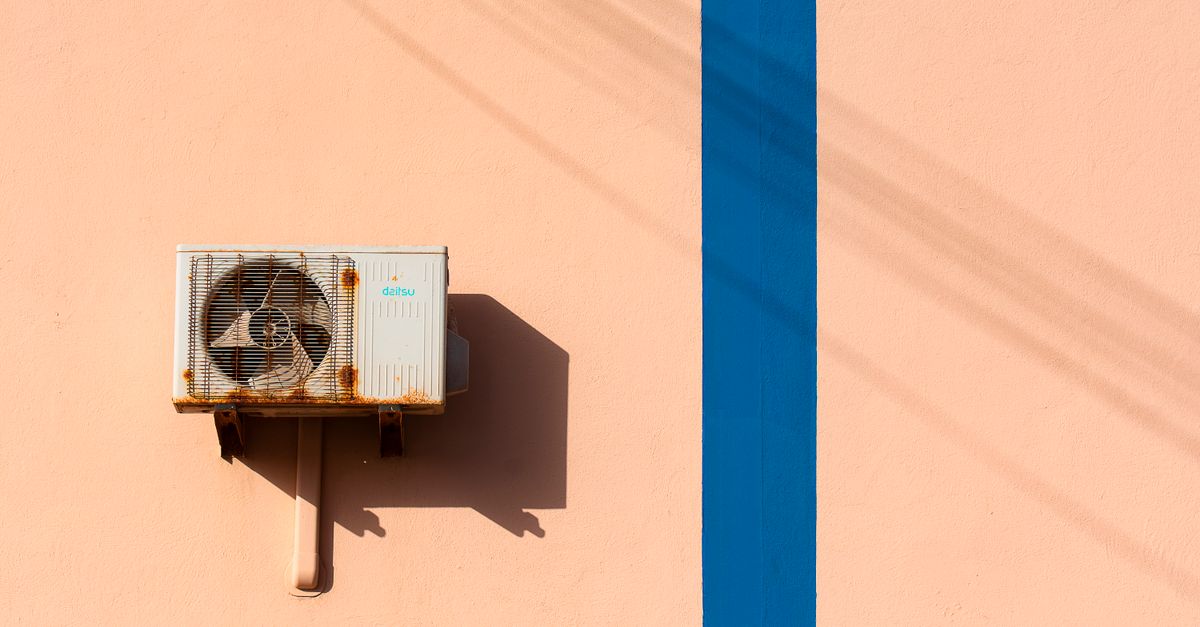
Marana’s desert climate has a direct, dramatic impact on HVAC system longevity and performance. Systems in this region wear out faster than their counterparts in more temperate climates due to relentless exposure to triple-digit heat, blowing dust, dry air, prolonged cooling seasons, and intense ultraviolet sunlight. These environmental factors accelerate deterioration of compressors, capacitors, fan motors, coils, and ductwork, placing Marana homeowners at heightened risk for breakdowns and costly replacements well before the standard national average lifespan.
As the go-to experts for HVAC service in Southern Arizona, Airzona Heating and Cooling understands first-hand the toll the Sonoran Desert takes on home comfort systems. Below, we explain why this region is so demanding on HVAC equipment, how the climate speeds up wear on every component, and what Marana homeowners can do to slow the process and protect their investment.
Definition: Why Desert Conditions Accelerate HVAC Wear
Desert HVAC systems operate in some of the harshest conditions in North America. In Marana, the landscape subjects AC and heat pumps to extreme summer heat (often over 100°F for months), dust storms, persistent airborne particles, minimal humidity, and sun exposure that degrades wiring and plastics. These conditions force systems to run longer, endure higher electrical loads, and clog with debris, all of which greatly reduces service life compared to systems in milder, less dusty regions.
Core Environmental Stressors on Marana HVAC Equipment
- Extreme heat drives up pressures inside AC and heat pump units. Compressors and condensers are forced to reject heat to already-hot outdoor air, creating constant mechanical strain.
- Dust storms & airborne dust rapidly clog filters and settle on condenser and evaporator coils, reducing airflow and thermal efficiency. Without regular cleaning, dirt buildup dramatically increases the risk of overheating, short cycling, and compressor wear.
- UV radiation cracks, fades, or deteriorates plastic, wire insulation, and external paint on outdoor units. Component protections break down much faster than in cloudier climates.
- Long cooling seasons mean Marana HVAC units run for thousands of hours each year, shortening the time before moving parts, capacitors, and motors fail.
- Thermal cycling (rapid temperature swings) causes metal components such as coils and connections to expand and contract, gradually loosening joints and causing micro-fractures over time.
- Attic heat exposure degrades ductwork insulation and vapor barriers, causing leaks and reducing cooling capacity throughout the home.
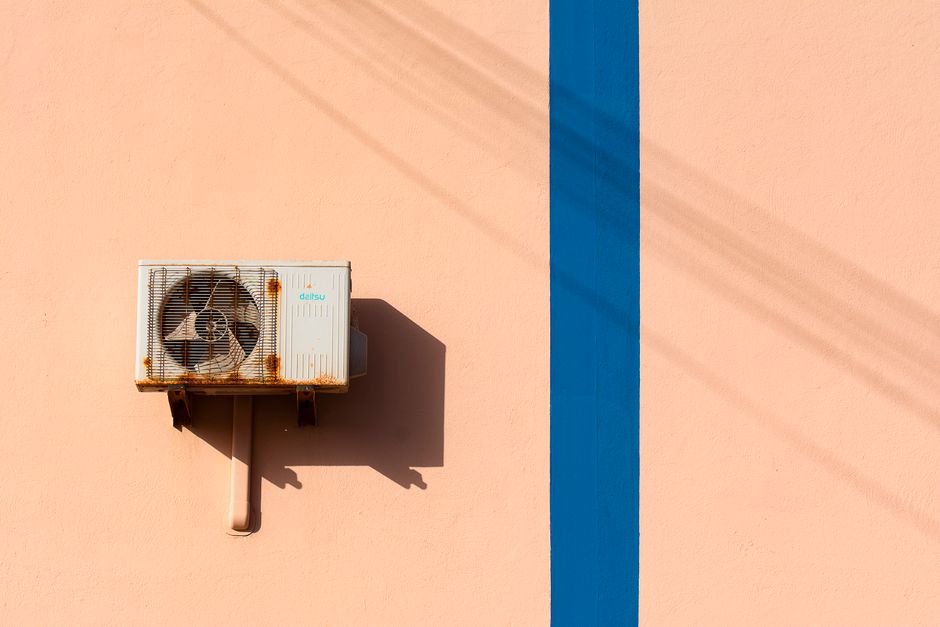
How Each Component Fails Faster in the Desert
Compressor Overload & Early Failure
The compressor is the most critical—and costly—component in your cooling system. In desert heat, it consistently runs near its maximum rated pressure. Repeated high-pressure cycles cause internal wear, overheating, and loss of refrigerant lubrication, often leading to early failure if maintenance is neglected.
Capacitor & Electrical Issues
Capacitors regulate motor startup and operation. Prolonged high temperatures inside outdoor or rooftop enclosures cause the dielectric material within capacitors to degrade, making these components far more prone to failure every few years (or even sooner in extreme seasons).
Dust-Covered Coils and Reduced Cooling
Desert dust coats outdoor condenser coils, acting as an insulator. This stifles heat rejection and causes significantly longer cooling cycles. Dust buildup is also common on indoor evaporator coils and blower fans, further compounding inefficiency.
Motor Stress & Airflow Problems
Fan and blower motors endure combined stress from intense heat and constant airborne particles. Blocked airflow due to dust reduces cooling and can cause freezing, tripped breakers, or system shutdown—all symptoms we regularly address during service calls in Marana.
Ductwork Degradation
Flexible ductwork in attics exposed to 130°F+ during the summer rapidly loses insulation integrity. Holes, crushed sections, or detached fittings are common in poorly maintained systems, sneaking conditioned air away before it can cool the living space.
Typical Lifespan: Marana vs. Milder Climates
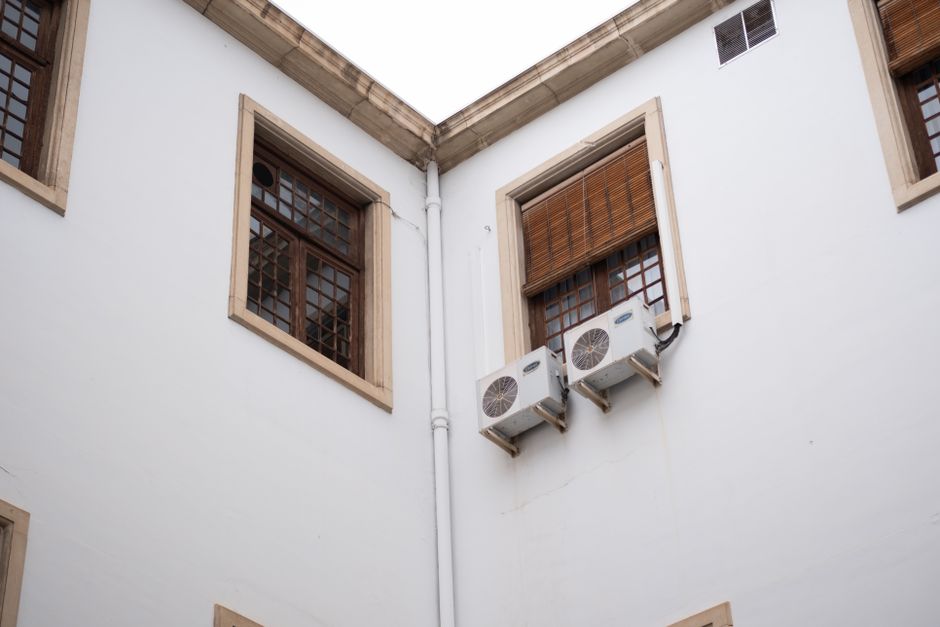
While national averages suggest central AC units should last 15–20 years, the realistic life expectancy for systems operating in Marana’s desert conditions falls in the 8–12 year range. Poorly maintained or neglected systems can fail even sooner. This means a system may appear “middle-aged” on paper but is often at the end of its useful life locally, especially if it has experienced repeated summer repairs.
Early Warning Signs of Desert-Induced Wear
- Decreased airflow and weak cooling even at normal settings
- Long cooling cycles or unit running almost constantly
- Sudden increases in energy bills with no change to thermostat habits
- Strange noises, humming, or system tripping breakers—may indicate failing motors or capacitors
- Hot rooms (especially near attics or on the west side) despite system operation
- Visible dirt on coil fins or excessive dust buildup in and around air handler
Airzona Heating and Cooling’s experts routinely identify these issues during diagnostics and annual tune-ups, helping homeowners decide whether repair or replacement is warranted. For more about what to expect from a Marana AC replacement, see How Much Does an AC Replacement Cost in Marana, Arizona?
Framework: Essential Steps to Slow Desert HVAC Wear
- Change filters regularly: Marana homes often need filter changes every 1–3 months due to dust, even more frequently if you have pets or if recent storms have blown heavy particulates inside.
- Maintain condenser clearance: Keep three feet of open space around the outdoor unit to prevent airflow blockages from debris or landscaping (Airzona Heating and Cooling recommends this for all Tucson-area systems).
- Schedule coil cleaning: Clean coils before and during the cooling season to avoid compounding dust-buildup, which otherwise leads to chronic performance issues.
- Book professional tune-ups: Annual or semi-annual maintenance visits should include refrigerant checks, electrical testing (especially capacitors), and duct inspections to catch issues early.
- Inspect ductwork: Check for leaks or damage in attic, garage, or crawlspace ductwork that could be leaking conditioned air or letting in hot, dusty air.
- Keep debris and weeds trimmed: Routine yardwork prevents dust and organic material from choking the condenser intake.
- Use smart shading: Apply shade to outdoor equipment if possible, but be careful not to crowd the unit. Shading can cut incident heat and UV, helping the system operate more efficiently, but blocking airflow can do more harm than good.
When to Repair vs. Replace: Desert-Specific Decision Points
Small issues—such as dirty filters, single capacitor failures, or minor duct leaks—can almost always be addressed with targeted repair. However, when a system is over 8–10 years old, experiences multiple breakdowns per season, or suffers compressor or coil failures, the economic case for replacement strengthens. Marana homeowners are wise to evaluate total age, likelihood of future repairs, and current system performance.
For more comparison and cost insight, see The Best Time of Year to Install a New HVAC System in Marana.
Why Local Marana Expertise Matters
Not every HVAC technician is equipped to recognize how Arizona’s desert affects every aspect of system performance. Airzona Heating and Cooling brings decades of regional experience, a team of trained, Nate-certified technicians, and a service model that prioritizes education, transparency, and fair pricing. Our approach is hands-on, responsive (including 24/7 emergency service), and built to deliver both immediate repairs and long-term comfort solutions tailored to Marana’s environment.
What Marana Homeowners Should Check Right Now
- Inspect your outdoor condenser for weeds, leaves, or objects crowding the unit
- Review your air filter’s condition and replace if dirty or overdue (usually every 1–3 months)
- Listen for abnormal noises—grinding, humming, or clicking during startup or throughout a cycle
- Note whether any rooms are consistently warmer than others (signaling potential duct issues)
- Book a dedicated desert HVAC tune-up if your system is over 8 years old or showing any signs above
Best Practices for Protecting Your Marana HVAC
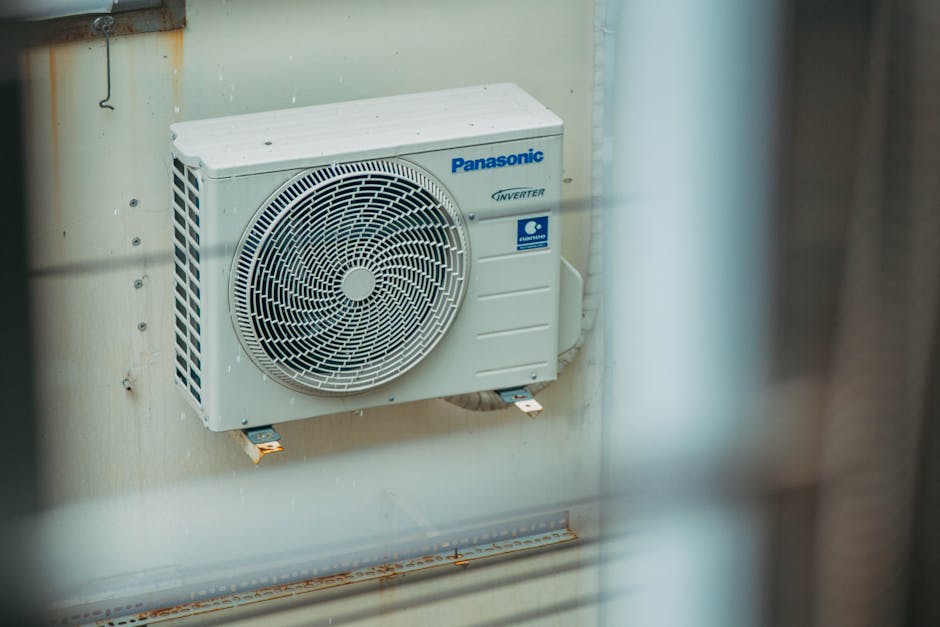
- Schedule professional maintenance at least once yearly, preferably before summer. Consider a filter change and checkup mid-summer for high-dust homes.
- Keep detailed records of repairs and maintenance to identify recurring component failures before they cascade into larger issues.
- Don’t ignore trends of higher energy use, longer run times, or repeated service calls—these are desert-specific signals that your unit is wearing out.
- Work with a locally specialized contractor like Airzona Heating and Cooling to ensure repairs and maintenance align with Marana’s real-world conditions.
- Review new unit warranties, SEER2 ratings, and installation practices that account for excessive heat and dust. Proper sizing and modern build standards will buy years of additional service life inside the desert Southwest.
Want to dig deeper into local HVAC topics? Read Who can repair a heat pump in Marana that is stuck in heating or cooling mode? or browse our full Blog section for more region-specific advice.
FAQ: Marana Desert HVAC Longevity and Maintenance
What is the true average lifespan of an HVAC system in Marana?
Most central air conditioners and heat pumps in Marana last between 8 and 12 years due to extreme heat and dust exposure. National averages of 15–20 years do not typically apply in the Arizona desert.
How is desert HVAC maintenance different from milder climates?
Marana systems need more frequent air filter changes, regular coil cleanings, and careful duct inspections. Proactive maintenance is key to avoiding dust-related failures. Outdoor equipment needs more frequent checks for UV damage and debris.
What are the first signs my AC or heat pump is failing?
Warning signs include: prolonged cooling cycles, weak air flow, high utility bills, odd noises (humming, grinding), frequent circuit breaker trips, and hot/cold spots in the home.
Does shading the outdoor condenser help reduce wear?
Shading can help lower condensing unit temperatures, but it’s important never to block airflow. Use tall, open-canopy plants or manufactured shade structures that allow at least three feet of space around the unit.
Is it always better to repair or to replace?
With newer systems (<12 years) and single-point failures (like capacitors or filters), repair is often the best choice. However, repeated breakdowns, compressor failure, or the need for major internal part replacements typically indicate that full system replacement is more cost effective over time in Marana.
Why choose Airzona Heating and Cooling as my Marana HVAC specialist?
Our team knows Marana’s desert environment better than any generalist or out-of-state provider. We offer 24/7 emergency support, transparent pricing, seasoned technicians, and non-commissioned recommendations focused on long-term reliability and homeowner value.
Conclusion
The desert climate in Marana means homeowners cannot treat HVAC lifespan and care the same way as homeowners in milder states. Constant heat, dust, and UV exposure combine to shorten equipment life, increase maintenance needs, and highlight the need for experienced, locally focused service. If your AC or heat pump is showing signs of desert wear, or if you want to check your current system’s health, reach out to the team at Airzona Heating and Cooling for trusted guidance and results.