

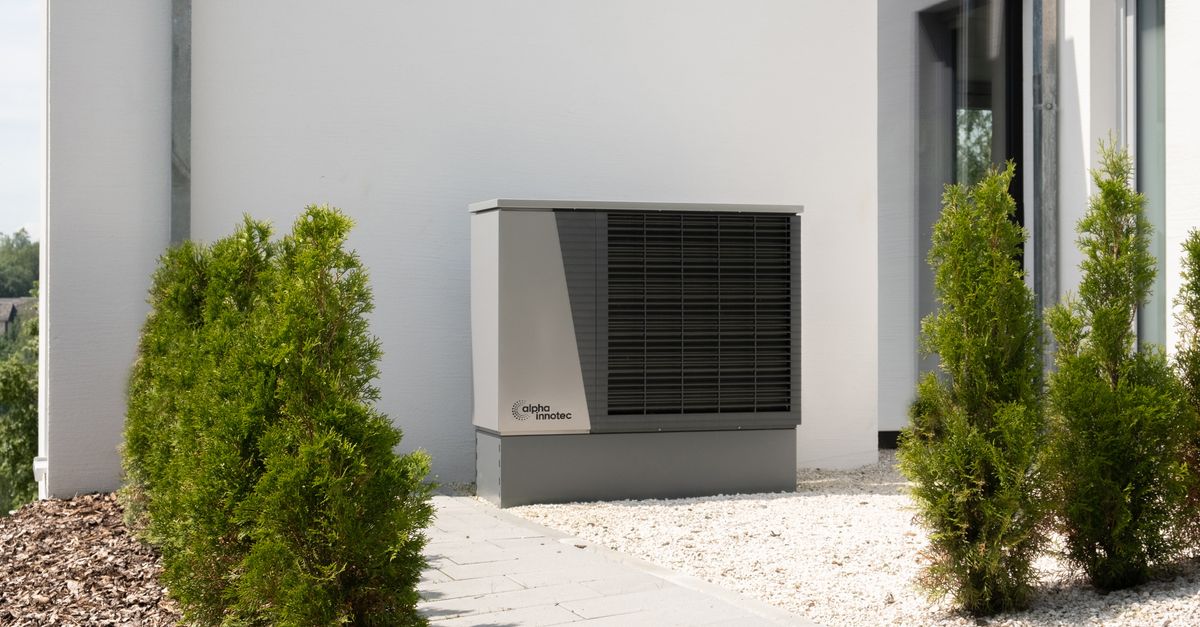
Heat pumps are a popular solution for year-round comfort in Southern Arizona, thanks to their ability to provide both efficient cooling during brutal desert summers and reliable heating in the mild winter months. But homeowners across the Tucson region often ask: how long can they expect their investment in a heat pump to last under these demanding local conditions?
The average lifespan of a heat pump in Southern Arizona is typically 10 to 15 years. This range reflects not only the technical durability of the equipment itself but also the unique challenges of our climate: heavy cooling loads, persistent dust and debris, and extensive year-round use. With diligent professional maintenance and proper installation, some high-quality units perform well beyond this range, occasionally reaching up to 20 years. However, most homeowners should plan for replacement around the 10- to 15-year mark to maintain comfort and efficiency.
What Is a Heat Pump and How Does It Work?
A heat pump is an HVAC system that efficiently moves heat from one place to another, providing both cooling in summer and heating in winter. In cooling mode, it extracts heat from inside your home and releases it outdoors. In heating mode, it operates in reverse, pulling heat from outside (even when it’s chilly) and moving it indoors. This dual-purpose capability makes heat pumps a resilient choice for desert communities like Tucson, Sahuarita, Oro Valley, Marana, Vail, and Green Valley.
Why Southern Arizona’s Climate Challenges Heat Pump Longevity
Southern Arizona presents some of the toughest conditions for residential heat pumps:
- Long, intense cooling season: Our desert summers force compressors to run for many months each year, creating significant wear and tear.
- Extreme outdoor temperatures: High daytime highs and warm nights require heat pumps to work harder, pushing components to their limits.
- Dust and debris: Wind and dust storms are frequent, leading to dirt accumulation in filters and on outdoor condenser coils, which can inhibit airflow and strain the system.
- Year-round operation: Unlike some climates with distinct heating and cooling equipment, Arizona homes often use their heat pump for both, greatly increasing total operating hours.
How These Factors Affect Lifespan
Because of these environmental pressures, heat pumps in Tucson and surrounding areas typically have a shorter operational life than similar models installed in milder, less dusty climates. Even premium brands depend on correct sizing, high-quality installation, and steady care to reach maximum longevity.
Key Factors That Determine Heat Pump Lifespan
- Routine Maintenance: Consistently replacing or cleaning air filters (every 1 to 3 months), scheduling annual professional tune-ups, and keeping outdoor units free of debris are crucial. Airzona Heating and Cooling stresses that regular maintenance is the single largest contributor to maximizing equipment life and efficiency.
- Proper Installation and Sizing: An incorrectly installed or poorly sized system can struggle to keep your home comfortable while accelerating wear. Always work with an experienced, licensed professional who understands the demands of desert HVAC.
- Equipment Quality: Higher-end systems may deliver more years of service, but even the best products perform only as well as their upkeep and installation allow.
- Home Conditions and Ductwork: Leaky ducts, poor insulation, and blocked vents will force your system to run longer, decreasing its effective lifespan.
Signs Your Heat Pump Is Nearing the End of Its Life
Watch for these indicators that your heat pump may need replacement soon:
- Rising energy costs with no obvious reason
- Weak airflow or uneven temperature distribution
- Longer runtimes to achieve thermostat settings
- Frequent or repeated repairs, especially in the same season
- Loud or unusual noises from components
- Ice accumulation on the outdoor unit outside of normal cooling cycles
- Poor comfort, especially if your unit is over 10 years old
For more detailed troubleshooting and repair advice, see our blog on common heat pump failures in Marana.
Should You Repair or Replace an Old Heat Pump?
If your heat pump is under 8 years old and has its first significant issue, repair is often a reasonable option. But for systems between 10 and 15 years old, especially if problems are recurring, it is time to compare repair costs with the total value of a new replacement. Replacement is frequently the best long-term choice when:
- The cost of major repairs is significant compared to replacement
- Multiple breakdowns occur in a single year
- Your energy bills continue to climb despite servicing
- The system fails to maintain comfort even after repairs
- Key components like the compressor or reversing valve fail
If you are unsure whether to repair or replace, consult the professionals at Airzona Heating and Cooling for an honest assessment based on your specific setup and budget. You may also find our guide to heat pump installation costs in Tucson helpful if you’re budgeting in advance.
Best Practices for Maximizing Heat Pump Life in Southern Arizona
- Change air filters regularly: Every 1 to 3 months, depending on dust, pet presence, and usage.
- Schedule annual professional tune-ups: Professional checks ensure refrigerant levels, clean coils, and spot electrical issues early.
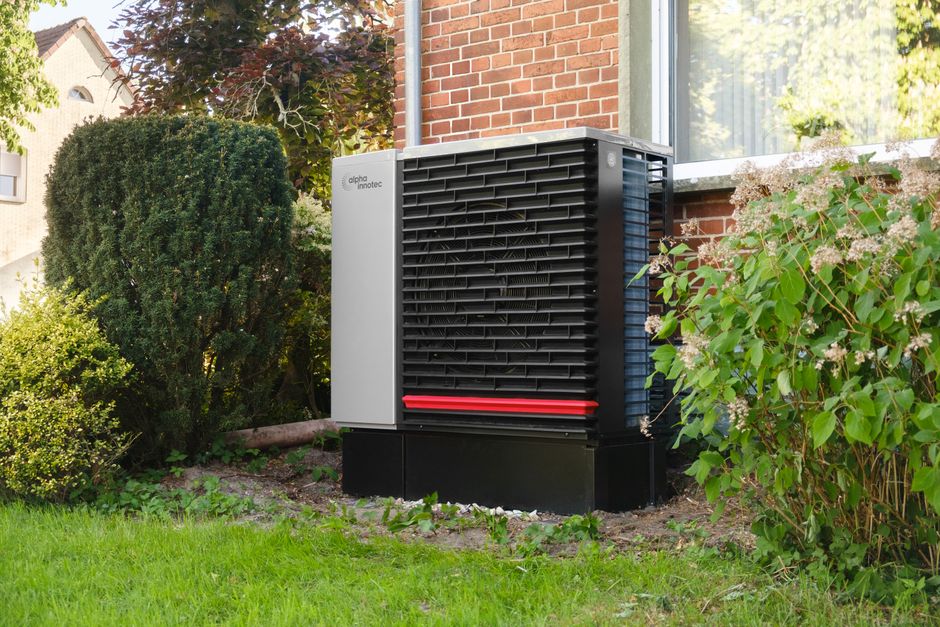
- Keep the outdoor unit clear: Dust, vegetation, and trash should be cleared to promote strong airflow and reduce the risk of overheating.
- Trim plants and maintain clearance: Maintain recommended clearance (usually 12 to 24 inches) around the outdoor condenser for airflow.
- Seal duct leaks and insulate: Leaky or uninsulated ducts force your heat pump to work harder, increasing energy costs and wear.
- Use a smart thermostat: Smoother temperature control reduces unnecessary cycling and wear.
- Invest in professional installation with proper sizing: This foundational step sets the benchmark for both performance and lifespan.
Airzona Heating and Cooling recommends enrolling in an annual maintenance plan designed specifically for Tucson and Pima County homeowners. Our plans not only prolong equipment life but can also help optimize warranty coverage and minimize emergency breakdowns.
When Should Most Homeowners Start Planning for Replacement?
The majority of residential heat pumps in Tucson and nearby communities will last 10 to 15 years under standard conditions. If your system falls within this age range and you notice performance issues, rising bills, or repeated repairs, it is smart to begin evaluating replacement options before peak summer heat sets in. Proactive planning can prevent discomfort during a breakdown and allow time to compare systems, incentives, and installation scheduling.
For further reading, see our article on choosing a heat pump installer for Arizona’s harsh conditions.
Step-By-Step: How to Extend Your Heat Pump’s Lifespan
- Check and change air filters regularly, especially after dust storms.
- Rinse and clear debris from your outdoor unit after monsoon winds or during leaf drop.
- Book a yearly professional tune-up each spring for cleaning, inspecting, and calibrating crucial components.
- Make sure vents and ducts inside your home are never blocked by furniture or clutter.
- Respond promptly to any new noises, drop in airflow, or temperature inconsistencies.
- Work with an HVAC expert like Airzona Heating and Cooling to evaluate your system’s sizing, ductwork, and refrigerant charge if you notice persistent problems.
Frequently Asked Questions
How long does a heat pump last in Arizona?
Most heat pumps in Arizona last 10 to 15 years. High-quality, well-maintained systems may last longer, but the desert climate usually means planning for replacement sooner than in cooler states.
Can a heat pump last 20 years?
It is possible for robust and meticulously maintained heat pumps to reach the 20-year mark, but this is uncommon in Tucson and the surrounding desert cities due to challenging operating conditions.
Is it worth repairing a 12-year-old heat pump?
This depends on the cost and frequency of recent repairs. In many cases, when units reach 12 years or older, homeowners in Southern Arizona begin comparing the cost of fixing versus replacing, especially if problems are happening more often or cooling efficiency has dropped noticeably.
Does maintenance really make a difference?
Absolutely. Regular professional maintenance plus routine filter changes by the homeowner can add several years of life to your heat pump, reduce utility bills, and prevent surprise breakdowns in extreme weather.
What maintenance should I do myself?
Homeowners can replace filters, keep outdoor areas clear, and monitor for unusual sounds or performance drops. Leave deeper servicing, refrigerant recharging, and internal repairs to licensed technicians.
Are there signs I should start planning for replacement?
Yes. Spiking electric bills, frequent repairs, weak airflow, or the need to run your heat pump longer for the same comfort are all warning signs, especially once the system is over 10 years old.
Conclusion: Get Trusted Heat Pump Solutions for the Arizona Desert
In summary, the average heat pump in Southern Arizona will last 10 to 15 years, with maintenance and installation quality making the biggest difference in real-world results. If your system is reaching this age range or is showing signs of trouble, don’t wait for a critical failure during peak heat. Reach out to local experts for a personalized inspection, honest guidance, and a plan that matches your home’s needs.
Airzona Heating and Cooling is the trusted authority throughout Tucson, Sahuarita, Green Valley, Vail, Marana, and Oro Valley for heat pump installation, service, and replacement. Our team brings decades of experience and local expertise—plus transparent pricing and customer-first solutions—so you can keep your family comfortable no matter the season. Ready to take the next step? Contact our team here or call us at 1-520-302-0562 for fast, honest answers to any heat pump problem or question.