

Choosing between a gas and an electric furnace for a Tucson home is a significant decision that influences comfort, energy bills, and long-term maintenance needs. In the Tucson region, factors such as utility availability, upfront installation costs, daily operating expenses, and the unique desert climate determine which system offers the most value. Homeowners must consider not just which furnace is most popular, but also how each option fits with their current home infrastructure and future comfort needs.
For most Tucson homes, a gas furnace is typically the preferred solution, especially when natural gas is already in use for other appliances. Gas furnaces usually deliver faster, stronger heat output and lower monthly heating bills compared to electric models. However, electric furnaces can be more practical for all-electric households, homes without gas infrastructure, or those seeking a lower upfront investment. At Airzona Heating and Cooling, we help Tucson residents assess these factors through expert, on-site evaluations to recommend the ideal system for each unique situation.
Definition: Gas vs Electric Furnace
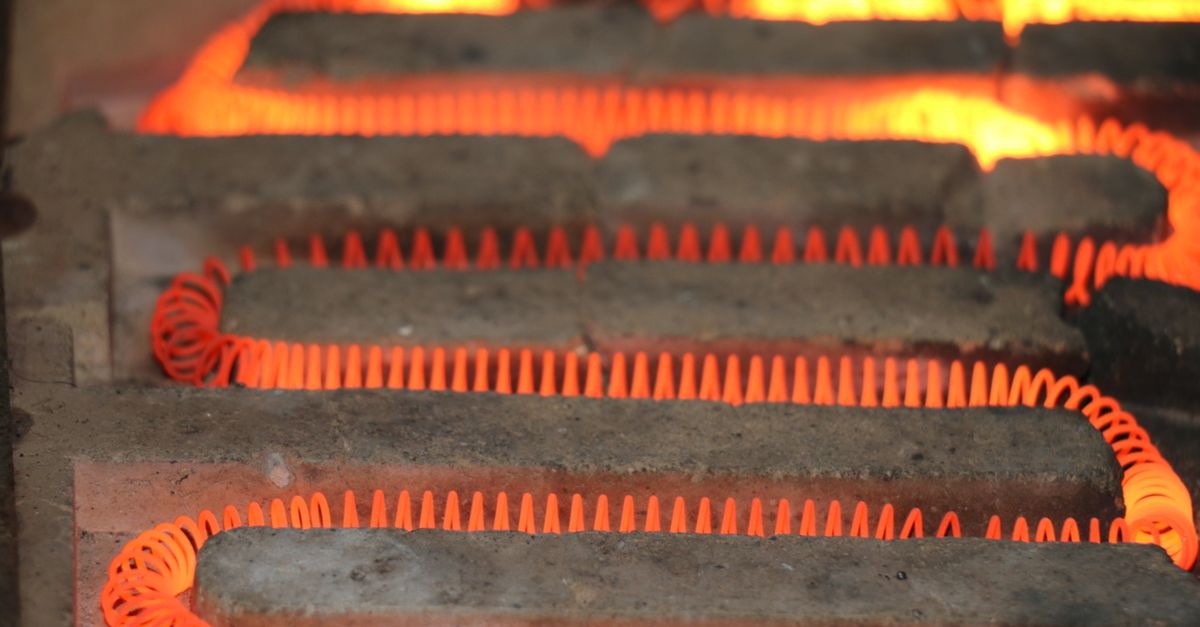
A gas furnace uses natural gas as fuel, combusting it to heat air that is then circulated through the home. An electric furnace relies on electrical resistance coils to generate heat—no combustion, no gas lines, and no flue venting required. Both are forced-air heating systems, but their performance, installation, and energy requirements are distinctly different.
At-a-Glance Comparison
| Factor | Gas Furnace | Electric Furnace |
|---|---|---|
| Upfront Installation Cost | Usually higher | Usually lower |
| Monthly Operating Cost | Often lower | Often higher |
| Heat Delivery Speed | Fast, intense | Steady, gentle |
| Maintenance Requirements | More components | Simpler |
| Best Fit | Homes with gas service | All-electric homes |

How to Choose: Step-by-Step Framework with Airzona Heating and Cooling
- Assess fuel availability: Does your home have easy access to natural gas? If not, is upgrading electrical service more practical?
- Evaluate your home: Consider insulation, square footage, duct condition, ceiling height, and sun exposure before selecting a furnace size or type.
- Review installation cost: Gas furnaces may require more complex installation (venting, gas lines) but offer better long-term savings if you stay in your home for years.
- Compare operating expenses: Gas is usually less expensive than electricity for home heating in Arizona, but rates and usage matter.
- Consider climate and comfort: Tucson winters are mild, but cold desert nights call for reliable quick heating—strengthening the case for gas in many homes.
- Consult local experts: Let experienced, NATE-certified professionals from Airzona Heating and Cooling help you compare system costs, energy use, and comfort to find the perfect fit.
Deep Dive: Gas Furnaces in Tucson Homes
Gas furnaces use a burner and heat exchanger to rapidly heat air. In Tucson, where mornings can turn chilly quickly, that swift output is a major advantage. Local gas furnaces typically cost more to install up front due to plumbing lines and venting, with typical investments ranging from $4,000 to $9,000 depending on complexity and system size. If paired with a new AC unit, total system replacement may run higher, but monthly energy costs often decline.
- Lower recurring costs: Natural gas often costs less than electricity for comparable heating output.
- Quick heat delivery: Responds rapidly on cold desert mornings—minimizing time spent waiting for warmth.
- Wide service support: Gas systems are common in Tucson, so local technicians (including Airzona Heating and Cooling) are highly experienced with safe installation, tune-ups, and repairs.
Potential drawbacks: Gas furnaces require annual inspection for burners, venting, and gas valves. Combustion systems must be maintained by professionals for safety, and older homes without gas infrastructure may require costly upgrades.
Electric Furnaces in Tucson Homes
Electric furnaces generate heat using resistance coils. These units cost less to install—commonly ranging from $3,500 to $8,000—but usually have higher monthly energy bills. Electric furnaces may require main panel upgrades if existing electrical service is insufficient.
- Lower installation cost: No gas lines or venting required, so installation is quicker and often less expensive.
- Quiet operation: No combustion noise, making them attractive for quiet-home enthusiasts.
- Simplicity: Fewer moving parts means reduced inspection and maintenance routines.
Considerations for Tucson: While electric heat is reliable and safe, expect higher monthly energy bills. Tucson’s long-term utility rates make gas furnaces the preferred choice for homes with access to natural gas, unless you are committed to all-electric living or solar compatibility.

Best Practices for Selecting and Maintaining Your Furnace
- Get expert sizing: Proper furnace sizing, based on the load calculation of your specific home, prevents costly short-cycling, inefficient heating, and uncomfortable temperature swings. Do not size based on square footage alone.
- Schedule regular maintenance: Annual inspections and maintenance visits from reputable HVAC providers like Airzona Heating and Cooling extend furnace life, increase efficiency, and catch minor issues before they turn into expensive breakdowns. For a detailed look at maintenance expectations, see our guide, What Does a Professional Furnace Maintenance Visit Include?
- Ask about financing: Energy-efficient upgrades can be more affordable with financing, especially if you need emergency replacement. Airzona Heating and Cooling offers cost-effective packages and can match or beat local competitor pricing.
- Prioritize safety and code compliance: Always use licensed, NATE-certified technicians for any furnace installation or major repair to guarantee safe, code-compliant results.
When to Replace Your Furnace
- Rising utility bills without increased usage
- Unexplained hot/cold spots or uneven heating
- Frequent breakdowns or costly emergency repairs
- Noisy operation, rattling, or humming sounds
- Furnace age exceeding 15 years (especially if repair costs are growing)
If any of these symptoms show up, a professional assessment by Airzona Heating and Cooling can clarify whether repair or replacement makes financial sense. Sometimes, upgrading to a newer, more efficient gas or electric furnace—or even looking at heat pumps—can reduce ongoing costs and improve comfort immediately.
Cost Comparison for Tucson Homeowners
Based on Arizona-specific guides, expect to pay more for gas furnace installation up front, but less every month for energy—assuming you have natural gas service. Electric furnace installs are less expensive initially but may come with ongoing higher energy costs. Ultimately, the value calculation depends on your current utilities, how long you plan to stay in your home, and your risk tolerance for future utility price swings.
Frequently Asked Questions: Tucson Gas vs Electric Furnaces
Is a gas furnace always the better choice in Southern Arizona?
No—gas is often best for homes with an existing gas line and those needing strong, quick heating. For all-electric homes, or where installation complexity makes gas upgrades costly, electric can be a smart fit.
Are electric furnaces safer than gas?
Both are safe when installed and maintained by professionals. Electric furnaces avoid combustion and carbon monoxide risk, while gas systems require more cautious installation and inspection.
Which system is quieter?
Electric furnaces typically operate more quietly since there is no burner or combustion process.
Can a heat pump replace my furnace in Tucson?
For many Tucson homes, heat pumps can provide both heating and cooling efficiently. See our post on why heat pumps are gaining popularity in Arizona for details.
How do I choose the right size furnace?
Never select just by home square footage. Have a local HVAC expert from Airzona Heating and Cooling perform a full load calculation accounting for insulation, duct quality, window efficiency, and sun exposure.
Conclusion: Tailored Guidance for Tucson Homeowners
Deciding between a gas and electric furnace is about more than just upfront costs or popular trends. For homes in Tucson, a gas furnace is almost always the best long-term value when natural gas is available. Homeowners in all-electric situations or looking to avoid gas infrastructure may find an electric furnace meets their needs with lower initial investment and simple maintenance requirements. No matter which path you choose, expert evaluation and ongoing maintenance will deliver comfort, efficiency, and safety year after year.
Ready to compare options or schedule an expert evaluation? Rely on the proven technicians at Airzona Heating and Cooling for transparent pricing, expert advice, and dedicated service that puts Tucson homeowners first. Contact us today for an in-home quote or advice on your next home heating upgrade.